
How stories and drama can help children recognise emotions better By Tom Brain
Through my work as a Speech Bubbles practitioner, and my work elsewhere at a Special Needs School, recognising feelings — both our own and those of others — is at the heart of teachers’ and practitioners’ work.
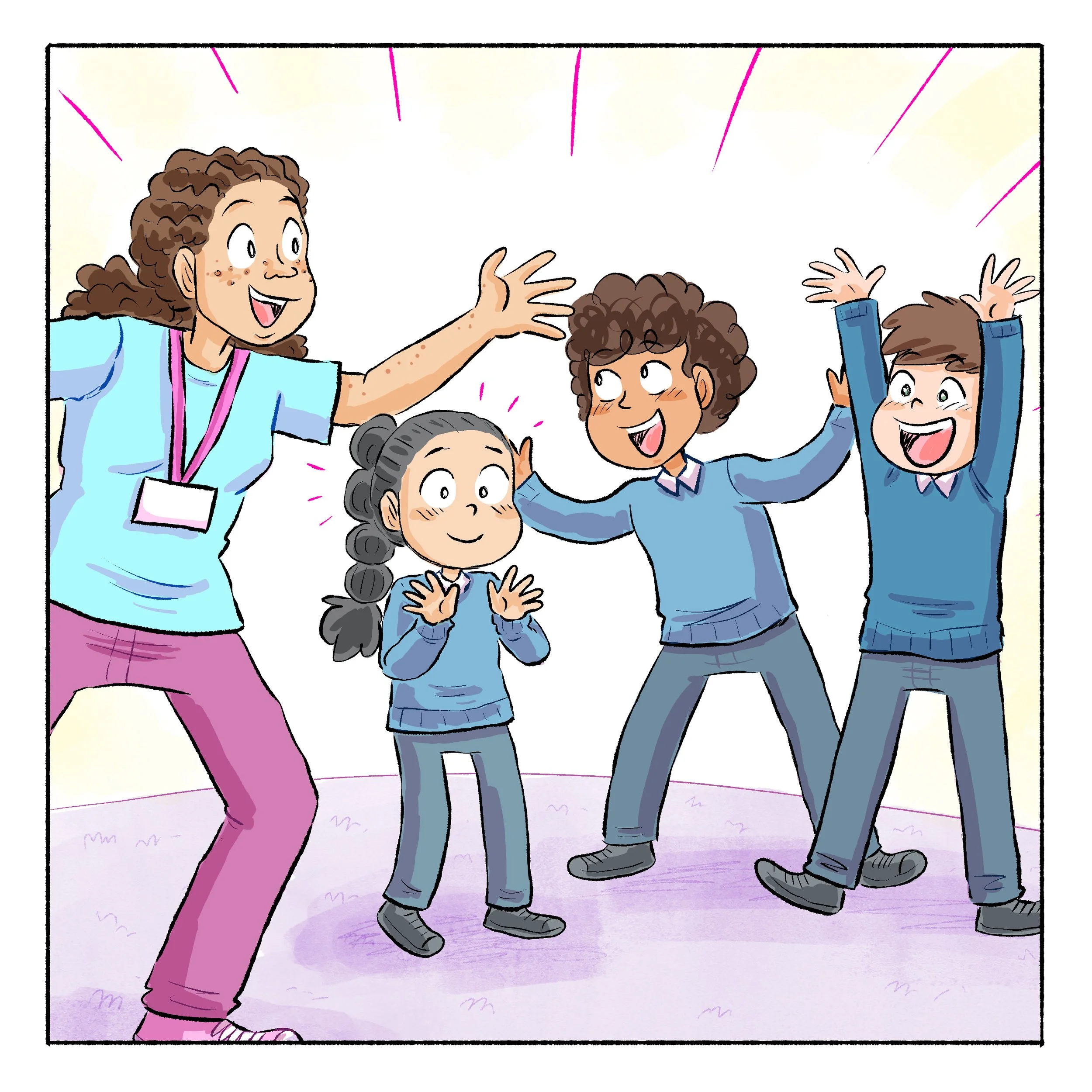
For the young children in Years 1 and 2 we work with in Speech Bubbles, and those with Special Educational Needs, recognition of emotions is an aspect of life that they find particularly challenging. They may be able to understand basic feelings such as happiness, sadness, and anger, but then may find it challenging to apply these to more complex emotions, for example fear or frustration.
In order to improve social skills, we want to help children understand their own feelings: why they are feeling this way, and how they can deal with this feeling. We also want to help them understand how other people feel, and how to react to the manifestation of each of these emotions.
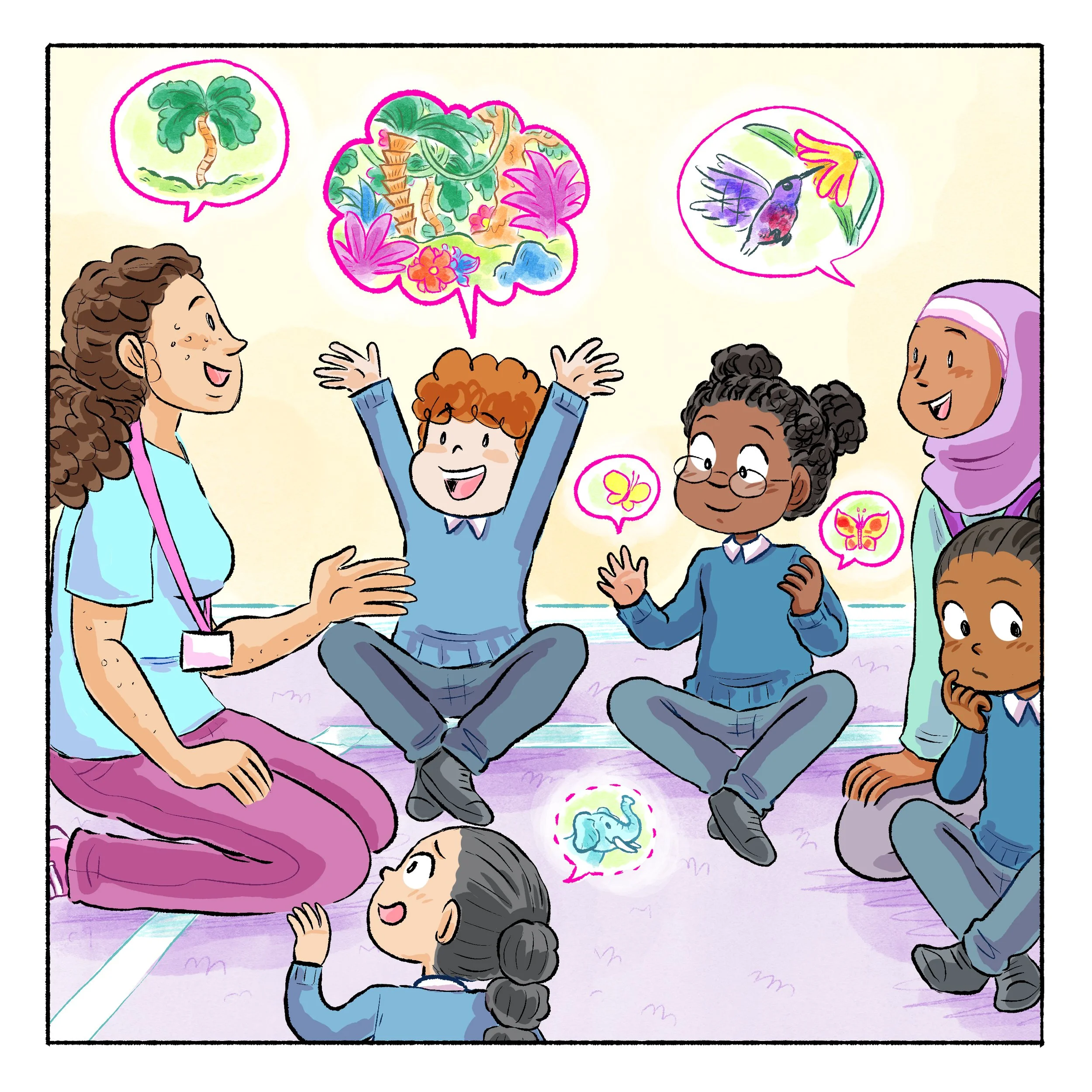
Therefore, careful use of drama activities can help children to understand, notice, and react appropriately to various emotions. Through the use of story, this can be done in a safe and fun exploratory space where the pressure is removed from getting everything ‘right’, encouraging young people to practise this skill and improve it for use in the real world.
To find out more about using drama and story telling to support children’s development of understanding emotions in themselves and others please get in touch!