
The DfE White Paper ‘Every Child Achieving and Thriving’ (Feb 2026) through a Speech Bubbles lens by Elizabeth Kennedy
Does the paper promote creativity, communication, confidence, inclusive oracy, and greater access to the arts?
Creativity and the Arts
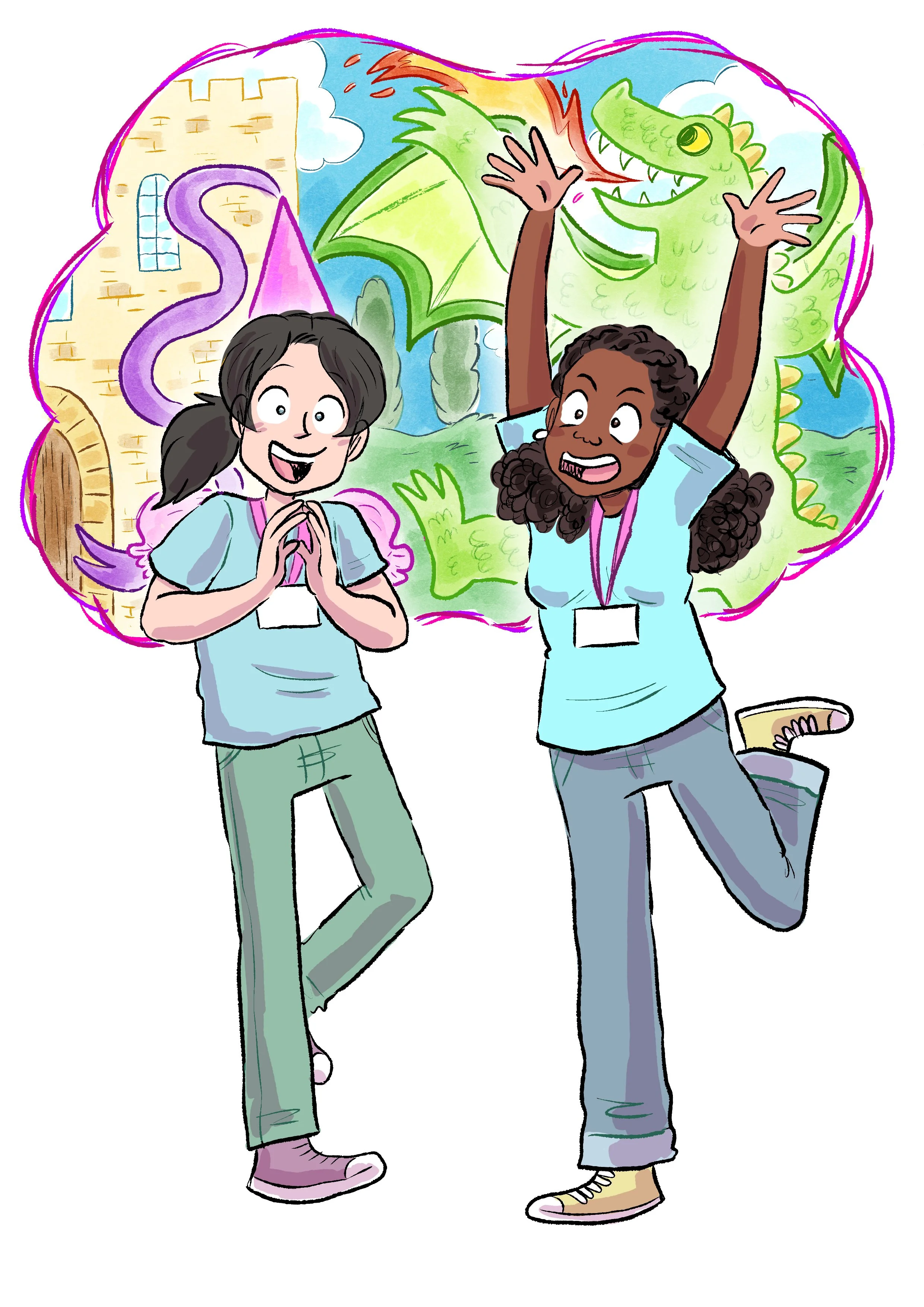
We welcome the white paper’s recognition that children thrive when academic learning is combined with arts, culture and enrichment. That artistic approaches “ignite curiosity”, “spark creativity” and broaden horizons.
A revitalised arts curriculum is presented as important to supporting children’s development and in becoming “artists, creators and citizens”.
The “narrow to broad” shift is one of the most significant for Speech Bubbles with oracy being embedded across the curriculum and a new Enrichment Framework defining a minimum offer for every school. Crucially, arts and culture are named as one of the five required enrichment domains, alongside civic engagement, sport, nature and wider life skills.
There is a commitment to a broad and balanced curriculum that explicitly values creative subjects alongside literacy, numeracy, science and humanities. Recognition that participation in creative and cultural activities supports wellbeing and longer‑term achievement for all children, including those with SEND.
Communication and oracy
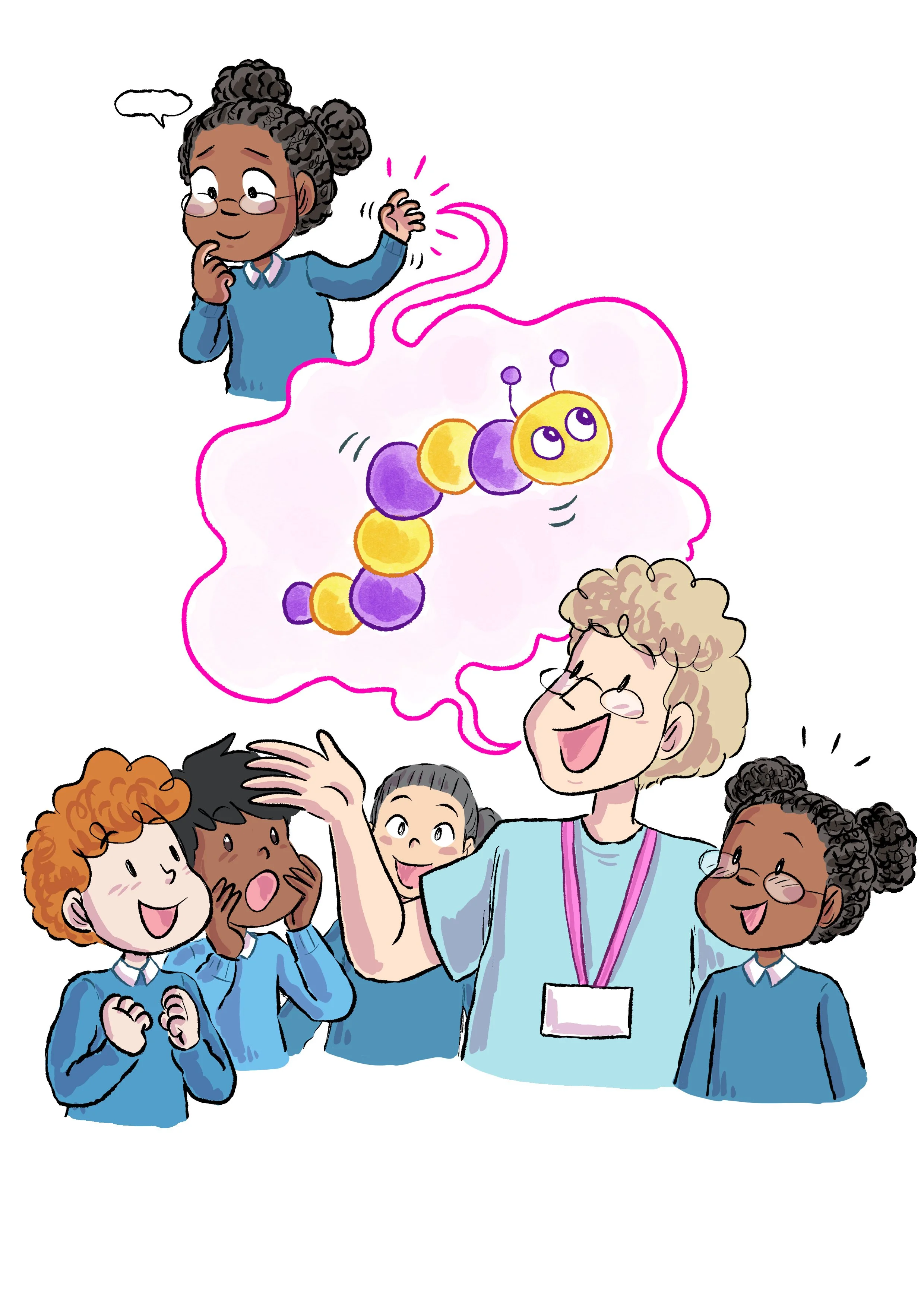
In the paper communication is framed as a foundational life skill, essential to learning, mental health, social connection and future employment.
There appears to be a commitment to embedding oracy in the curriculum, and developing a new national oracy framework to support primary teachers in explicitly teaching, assessing and developing children’s spoken language.
Inclusive oracy is covered in the ‘Narrow to Broad’ chapter and is part of the broader effort to ensure that all children, including those with SEND can develop strong communication skills and thrive in their education. It is vital that this is approached in an inclusive style for all the ways in which children communicate.
The paper also highlights early language development as critical, particularly in the early years, and links communication development to reduced inequality, improved attainment and better transitions into school.
At Speech Bubbles and as part of the Speech, Language and Communication Alliance we will continue to push this being an inclusive support where all forms of communication are valued.
Confidence and self-expression
In the paper the importance of fostering confidence through strong speaking skills and inclusive oracy is discussed. This is seen as essential for preparing children to thrive in a rapidly changing world.
The document stresses that confidence grows when children are not passive recipients of knowledge, but active participants who question, challenge and articulate their thinking.
The Speech Bubbles programme is ideally positioned to support children’s self-expression and development of their differing communication styles through drama techniques and creative storytelling. Communication is not just about the spoken word. We are hopeful that the focus on oracy and inclusive oracy in this paper will support all children’s communication development.
Drama, performance and expressive learning
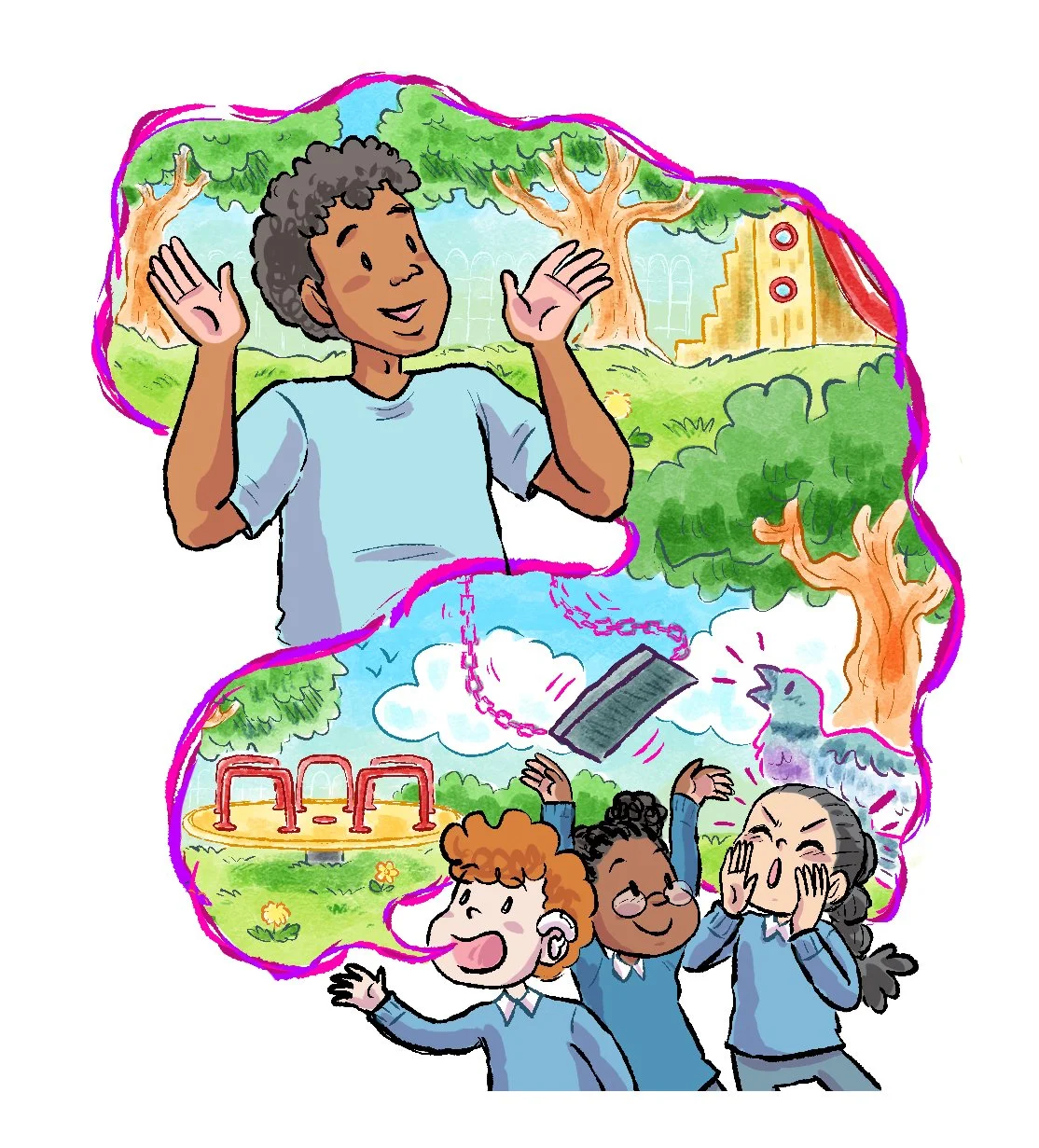
While drama is not named as a standalone subject, it is arguably encompassed within the paper’s reference to expressive arts, theatre, live performance and enrichment in arts and culture.
Drama is implicitly positioned as powerful tools for developing oracy and communication, building confidence and self-esteem and enabling children to explore identity, belonging, perspective and collaboration.
Overall message
Across the white paper, creativity, communication, confidence, oracy and expressive learning are consistently presented as essential to children achieving and thriving, not secondary to academic success. There is a lot to be positive about in this paper.
This paper gives a strong signal that mainstream schools are expected to meet a wider range of needs and outcomes. A move towards a broader definition of success with greater inclusion. It is worth noting that this is a ten-year vision and it will take time and effort to make changes. This means that while the paper supports creative and expressive learning, sustained leadership will be required to ensure it is realised in practice.
The SEND proposals outlined reinforce a shift towards early, inclusive, mainstream‑based support, with expressive arts supporting communication, regulation and social interaction.
While much of this agenda will feel familiar to leaders already committed to inclusive and creative practice, the white paper marks a point where expectation and accountability begin to align.
In conclusion
The DfE white paper emphasises the importance of combining academic learning with arts, culture, and enrichment for children's development.
There is a shift from a narrow to broad curriculum, embedding oracy and defining a minimum enrichment offer for every school.
Creative subjects are valued alongside core academic areas, with recognition of their positive impact on wellbeing and achievement, including for children with SEND.
The paper positions communication as a foundational life skill and commits to inclusive oracy, supporting all children’s language development and reducing inequalities.
Speech Bubbles greets this paper with cautious optimism.