Blog and Videos
Featured Articles
Blog Articles



More Articles
Featured
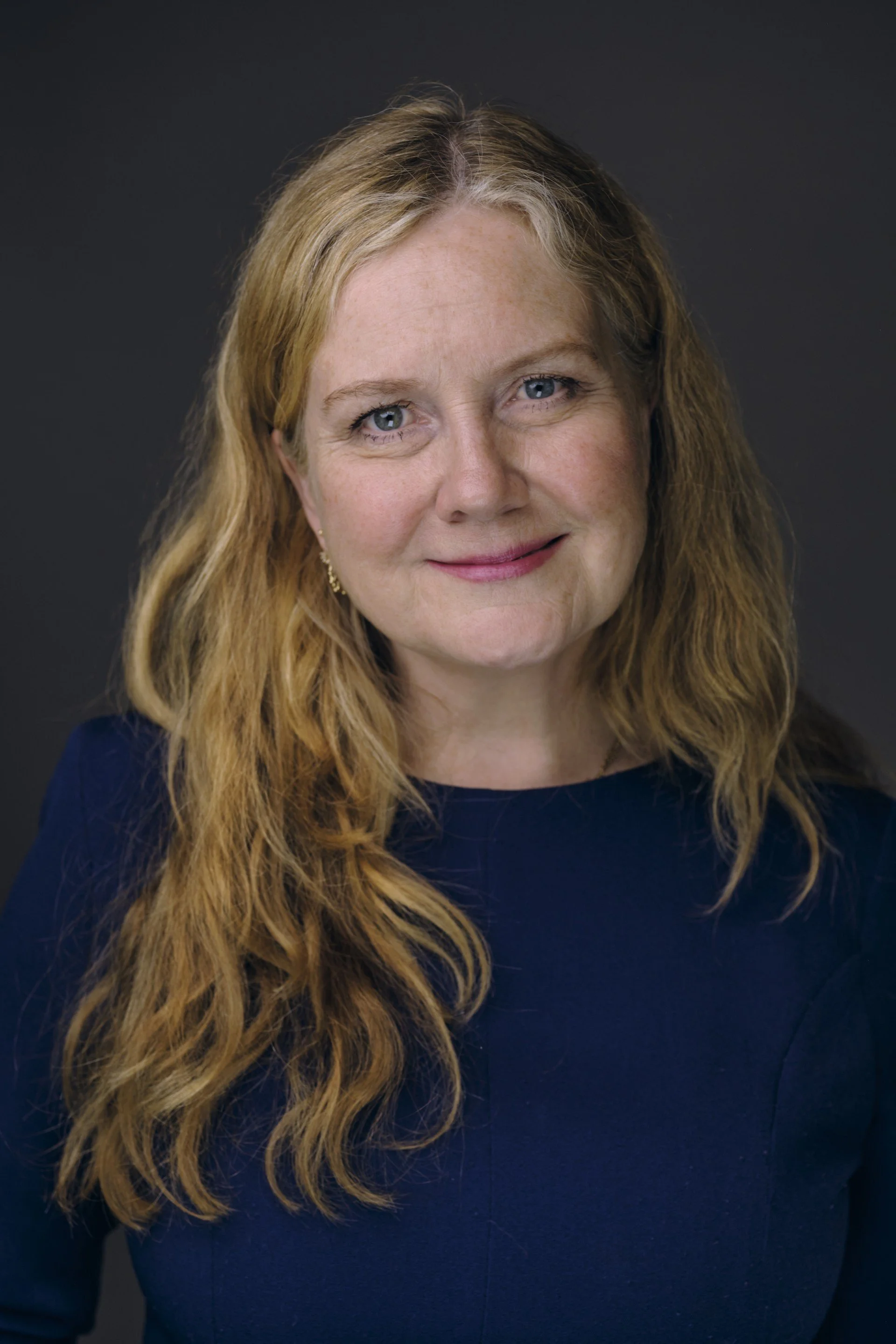










Creativity is at the heart of Speech Bubbles. Through storytelling, drama and play, children build confidence, communication and belonging. Our latest evaluation shows creativity helps children take part, share ideas and thrive.
As term ends and school communities face moments of change, children often express uncertainty through story and play. In this reflection, Speech Bubbles explores how drama creates a safe space for children to process friendship loss, build confidence and feel a renewed sense of belonging.
As Teachers and Practitioners we know that about endings but for children who are of younger age they have a much less clear understanding of timelines.
Creativity is at the heart of Speech Bubbles. Through storytelling, drama and play, children build confidence, communication and belonging. Our latest evaluation shows creativity helps children take part, share ideas and thrive.
As term ends and school communities face moments of change, children often express uncertainty through story and play. In this reflection, Speech Bubbles explores how drama creates a safe space for children to process friendship loss, build confidence and feel a renewed sense of belonging.
As Teachers and Practitioners we know that about endings but for children who are of younger age they have a much less clear understanding of timelines.
As a voice actor and writer I have a particular interest in peoples authentic and particular voice. A voice tells the story of our lives, the love, the struggles, the joy and achievements. I fell in love with my husband’s voice before I even knew him.
Does the paper promote creativity, communication, confidence, inclusive oracy, and greater access to the arts?
Through my work as a Speech Bubbles practitioner, and my work elsewhere at a Special Needs School, recognising feelings — both our own and those of others — is at the heart of teachers’ and practitioners’ work.
Safeguarding images of children
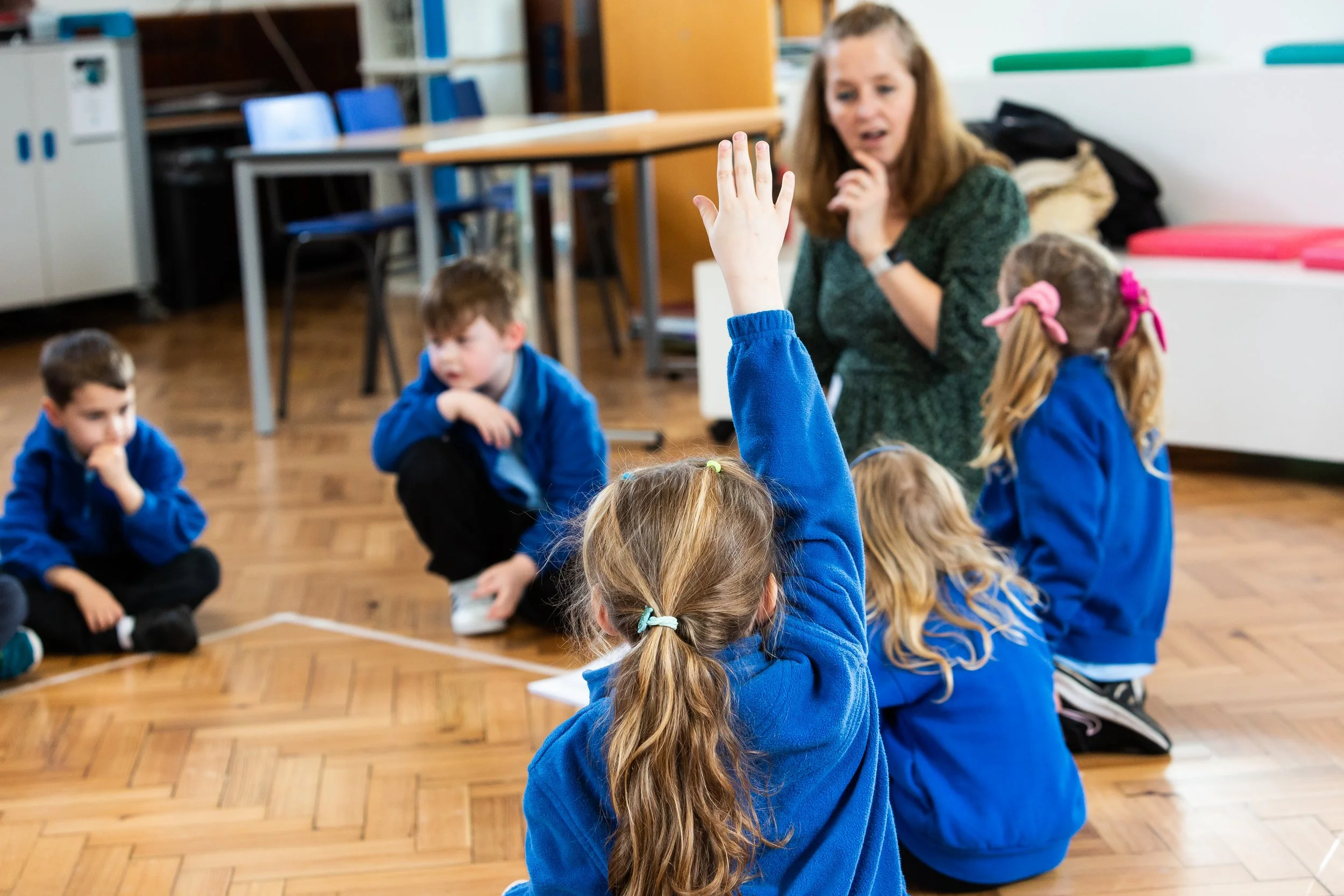
We have become increasingly concerned about the unregulated rise of Generative AI, in particular the safeguarding risks of children’s images being harvested and reused out of context. In the unregulated space there are also questions of ownership, once you post an image it seems that you lose control of it – and as our children become adults they might not want that! We have decided not to use any recognisable photographs of children’s faces on our website or marketing materials, However we still want to represent the joyful creative practice.
As we await the DFE’s curriculum and assessment review we still don’t know if there will be new guidance on cross curricular Oracy, however the issue has been gaining traction since the Oracy Education Commission’s report ‘We need to talk’ was published this time last year.
At Speech Bubbles we advocate for the most inclusive version of Oracy – one that includes every child and is expansive to include multiple ways of communicating.
The hospital room was stark—white walls, a table, and a few hard chairs. I was six years old. My mum, a Special Educational Needs teacher, had brought me in because I struggled with reading and writing. We were there to understand why.
At the end of the academic year (2024-2025) Adam chatted with Donna, one of the TAs working with Speech Bubbles about the impact of Speech Bubbles on the children
As a child, I was confident in my body - I loved to move, act and play. But ask me to speak in front of a group, and I would shrink. Now, as a Speech Bubbles practitioner, I see versions of my younger self all the time.
This Creativity and Wellbeing week. Adam Annand, Speech Bubbles CEO, got together with Alix Lewer, Include.org CEO and Louise Pendry, Bounce Theatre’s Artistic Director to talk about the work we have been doing to develop delivering the Speech Bubbles programme in SEND and alternative settings. Listen to the podcast here:
I love it when students are excited, engaged, and curious to learn—it's what inspires me as a Speech Bubbles Practitioner. When learners approach my sessions with interest and enthusiasm, it creates a vibrant, dynamic environment where growth can truly be seen. My ambition is to instil a lifelong passion for learning through play, helping students see education not as a chore, but as an exciting journey of discovery.
In Feb 2025 at the launch of the Speech, Language and Communication Alliance in the House of Lords one of our participants had this to say…
Often in class, students are presented with right and wrong answers (for example, 20 ÷ 5 is 4, not 6!). For students who feel anxious about getting things correct, this can make the classroom a tricky place to be; not only are they trying to learn new skills and knowledge, but they are also pre-occupied with getting things “right” and not embarrassing themselves. Teachers are already balancing the need to guide students through their learning, whilst also helping them to build resilience and feel confident in expressing themselves without fear of making a mistake. This is a skill that shouldn't be understated!
Every week in Speech Bubbles the children act out stories told by one of their peers. Our expert drama practitioners are always working out ways to best prepare the group to present the unique elements of each story. Sometimes they will adapt an old game or activity and some times they will make up a new one.
This Is Not a Pen! is an improvisation game where a pen is presented to the group and one at a time, the players have to pretend it's something completely different. The pen might become a shoe, a toothbrush, a banana or even a microphone! The idea is to use body language, gestures and facial expressions to show the object’s new (imagined) identity.
In 2006, a coalition of educators, theatre-makers, and speech and language therapists came together to create Speak Out, a pioneering programme exploring how small-group drama could support primary school children needing help with speaking and listening skills. At the time, there was a growing recognition that more children required support in communication development, and a national review was underway to address these needs.
This year it has been a privilege to continue to deliver Speech Bubbles in a school, despite it closing due to falling role this summer. It has been a really positive experience as a practitioner and has provided an important role in supporting all the children we have worked with. We ran the program as a small school program, meaning we worked with Reception and Year 1 children in one group, and Year 2 in another group.
By being patient, accepting and encouraging, Speech Bubbles helps ensure that every child reaches their potential and fosters a life-long love of learning.
We are very excited to share that ‘That’s my story! Drama for confidence, communication and creativity in KS1 and beyond’ by Adam Power-Annand is released on today, 25th March 2024 and available to buy at Routledge!
The reality of classroom management, the push and pull of excitable and shrinking personalities, the movable feast that is group dynamics… and… just how the day is going for us all means best laid plans can be loosely held or tightly clung to. I will adapt things in the moment.
In 1990 I graduated from Rose Bruford College (RBC) with a BA Community Theatre Arts (CTA). The CTA course had been highly influential in preparing actors for a world of community theatre and theatre-in-education. However, despite its validation as a degree in 1988 it was soon to be closed down. By the time I graduated the last intake of students were completing their first year and the course had been replaced by an ‘actor-musician’ pathway of the acting degree. The change was in some ways inevitable. The CTA course had a political framework. It espoused the idea of collective action to challenge social inequality and yet we were ten years into a government that started from the principle of individualism.
It can be easy to push fun down the to do list or not to place value in fun with so many pressures in life. However, should we be doing more to make sure we have fun day to day and should we be placing a higher value on fun in education?
A really insightful essay by Sarah Kadri about the Story Square used in our Speech Bubbles sessions in school. Sarah is one of our Speech Bubbles drama practitioners and a recent MA graduate in Applied Theatre at Central School of Speech and Drama.
A reflection, by Adam Annand, on the article originally posted by Michael Rosen and recently reposted by and Dr Penny Hay - Original Guardian article https://www.theguardian.com/culture-professionals-network/culture-professionals-blog/2012/apr/30/michael-rosen-arts-education-principles?CMP=share_btn_tw
Dr Penny Hay on X https://twitter.com/PenAHay
As we continue to advocate for the role of arts in education and its good to take a moment to reflect on how we go about it.
Louise Pendry talks about Speech Bubbles from her on personal experience as a mother, leading sessions as a drama practitioner and running Bounce Theatre Company, a Speech Bubbles Partner. She has a unique, insightful and inspiring perspective. This third and final of her three blogs looks at the value and success of Speech Bubbles.
Louise Pendry talks about Speech Bubbles from her on personal experience as a mother, leading sessions as a drama practitioner and running Bounce Theatre Company, a Speech Bubbles Partner. She has a unique, insightful and inspiring perspective. This second of her three blogs looks at Speech Bubbles from a drama practitioners perspective.