
Why I believe Speech Bubbles is a multi-solver

Hi, I’m Adam. I’m the CEO of Speech Bubbles, a small arts education charity.
Listening to the commentary on Lucy Powell’s speech about hardwiring speaking and listening into a new national curriculum got me thinking about something I’ve been trying to write about for a while: why I believe that Speech Bubbles, as an organisation and in the work we do, is a multi-solver.
My algorithm-led news feed reflects the issues I care about: children’s communication, the early and primary years, creativity, community theatre, arts education, linguistic justice and inclusive oracy. Across these stories, I read about two million children struggling to communicate in school; emotionally based school avoidance; excessive screen time; low levels of belonging and wellbeing among young children; too little agency and too little movement in the school day; low staff morale; and creativity being squeezed from the curriculum before disappearing almost entirely from exam subjects.
These concerns are often presented separately, but I see them as closely connected. That’s why I want to say to anyone at the Department for Education, the newly formed National Centre for Arts Education, Arts Council England or the Department for Culture, Media and Sport: if you’re noticing these concerns, invite us in for a conversation. As a small organisation, we can be overlooked. However, after 17 years of delivering Speech Bubbles, we’ve got practical and important things to contribute. Some examples.
Screen time
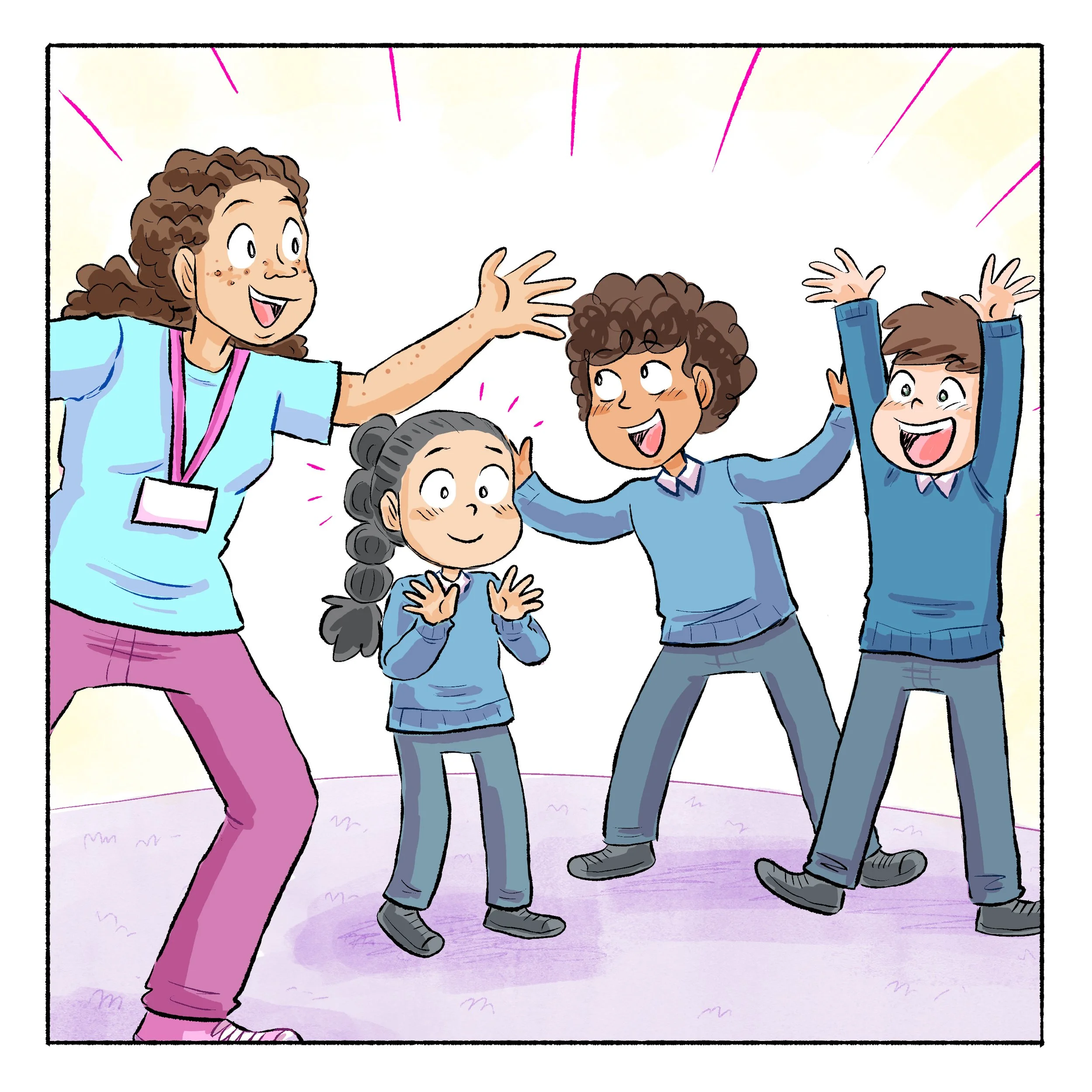
Speech Bubbles has been screen-free for 17 years. It doesn’t need technology to hold children’s attention. Imagination, movement, gesture, sound, rhythm, words and stories can do the work.
For me, that’s a powerful reminder that some of the things children most need are already available to us. This is, of course, a nuanced subject. Not all technology is bad, and for some children it can be a communication lifeline.

Morale, joy and a sense of belonging
What I hear repeatedly is that the children and the adults supporting them genuinely enjoy taking part in Speech Bubbles. It’s the intervention that children want to join.
This week, I heard about a child who took part last year imploring their teacher to refer them again. Yesterday, a teaching assistant new to the programme told me, “I really look forward to Tuesday afternoons now.” Much of this I put down to the playful and positive approach of our wonderful team of specialist drama practitioners.
Child agency
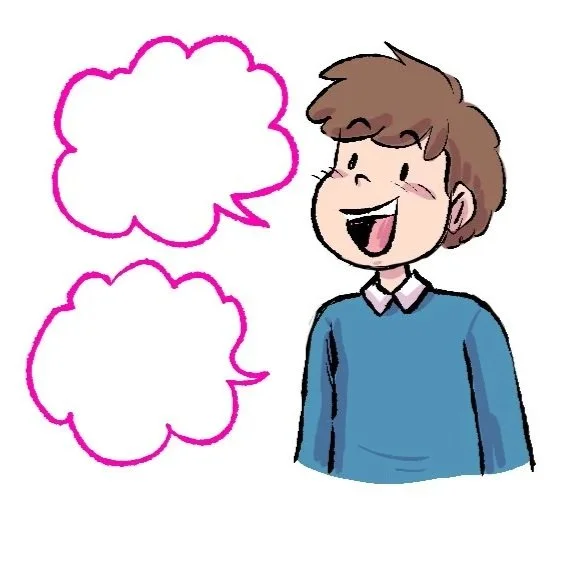
This is not an abstract principle. In Speech Bubbles, each week a story told by one of the children is brought to life by their peers.
If you know the work of Vivian Gussin Paley, you will recognise the approach. Children can tell any story they choose, drawn from their lives, their imaginations or a wonderful mash-up of other stories. Their ideas shape what happens in the room, and this enjoyment and sense of agency promotes a sense of belonging, both for the children and the adults. This is a space where children feel heard, feel positive, feel connected with others.
Communication challenges and the drive for oracy
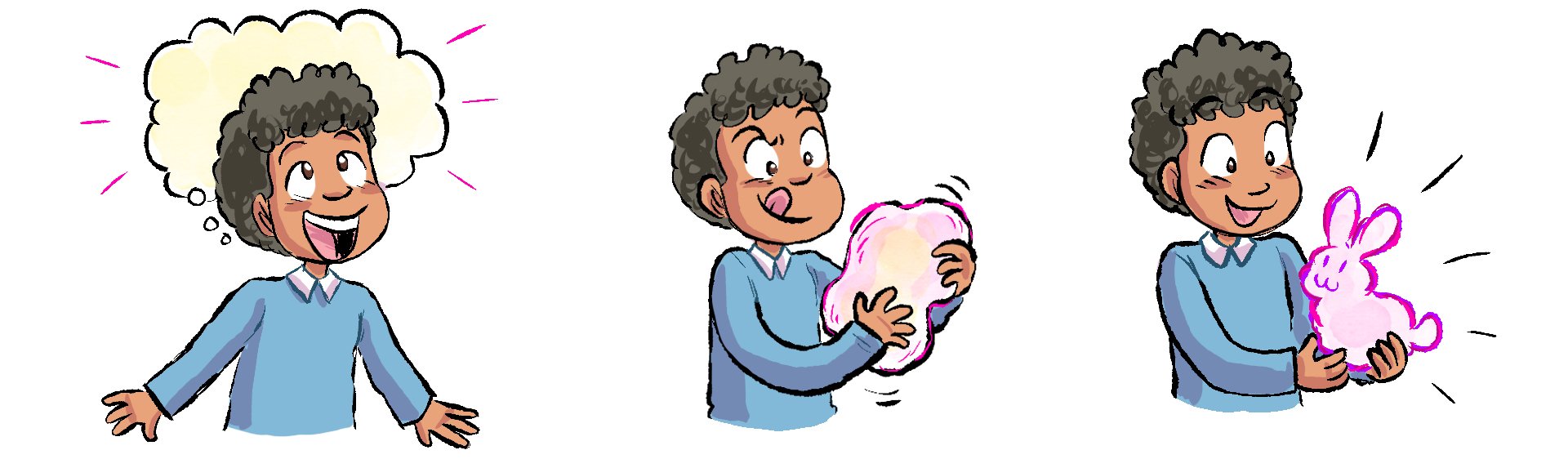
An inclusive approach to oracy is central to our work. Teachers’ observations and academic research indicate that many participating children make significant improvements in speaking and listening behaviours for learning. That matters to us because it shows that joyful, child-led work can also have a serious educational impact.
Movement
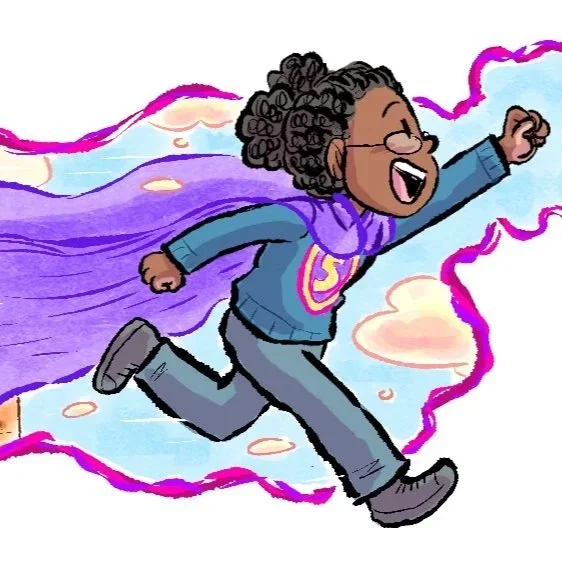
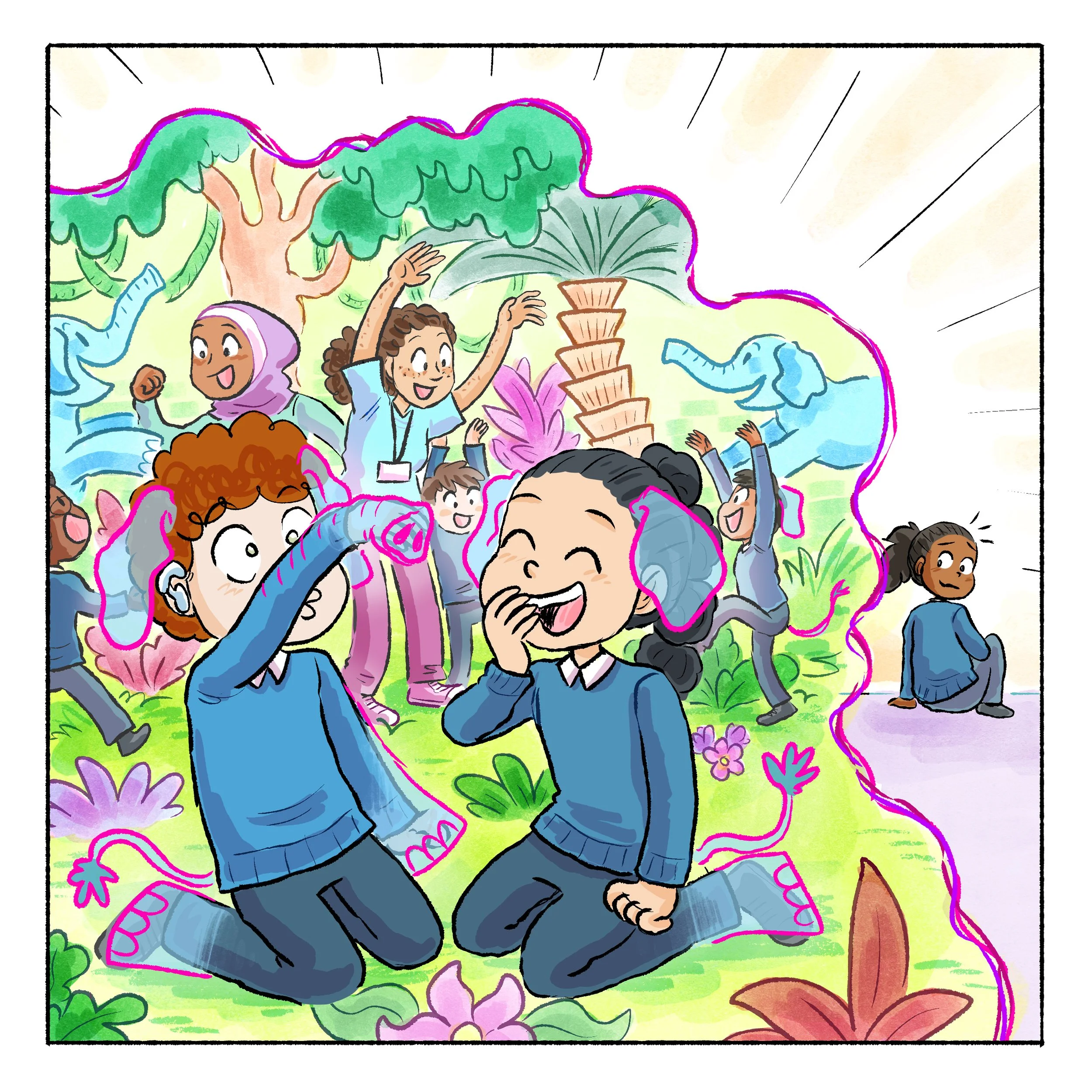
Movement is not an optional extra. In Speech Bubbles, children use their bodies to act out stories, characters and emotions, as well as taking part in physical and imaginative games.
In our sessions, showing often leads to telling. Movement is valued as a powerful component of communication.
Creativity
Every Speech Bubbles session is built around our creative theatre-making and storytelling practice. Young children join in games and activities, offer stories and collaborate and perform them.
At a time when creativity is being squeezed from the curriculum, I believe spaces in which children can imagine, contribute and create together are not a luxury. They are essential.
I’m not claiming that one programme can solve every challenge facing children, schools, educators and parents/carers. I am suggesting that this well established approach supports communication, agency, movement, creativity, enjoyment and relationships at the same time, and decision-makers should pay attention. That’s what I mean when I call Speech Bubbles a multi-solver.
So if you work at the Department for Education, the National Council for Arts Education, the Department for Culture, Media and Sport or Arts Council England, and you’re thinking about these challenges, I’d be very happy to talk. Drop me a line. You can catch me through our website, speechbubbles.org.uk, and whilst you’re there, you could look on the insight tab and you can see all the research and evaluation that we’ve done exploring the programme’s economic, social and communication impacts.
OK, that’s enough from me now. Speak soon. Adam.
Footnote: The term ‘Multi-solver’ was first coined by Ned Glasier